

You don’t need a fancy gadget to cure your weed. For most home growers, a clean, well-fitting glass jar is a perfectly sensible place to start. Once you have a bigger harvest, or a reason to keep light out without using a cupboard, other containers become worth looking at.
The important part happens before any of those products come out of the box: your flower needs to be properly dried. A great seal can’t fix a damp batch, and a humidity pack won’t make moldy flower safe.
We’ve compared what these containers are made from, how they close, what sizes are available and what their makers actually promise. This is a research-based guide. We haven’t handled, tested or measured the products, so we’ll tell you when a claim comes from a manufacturer rather than an independent test.
As an Amazon Associate, LAGC earns from qualifying purchases. Our picks are based on research, and we have not hands-on tested these containers. Read our affiliate disclosure.
LAGC buyer's shortlist
Choose the right curing container
Four useful formats, ranked by the job they do. Products are researched, not hands-on tested. Check the exact listing before buying.

Best starting point
Ball wide-mouth Mason jars
32 fl oz (1 quart), 12-pack
A sensible low-cost baseline. You can see the contents and use replacement lids.
- Material
- Clear glass
- Closure
- Metal lid and band
- Light
- Store in the dark
- Handling
- Easy to inspect and clean
Trade-off: Breakable; clear glass needs dark storage
Best rugged canister
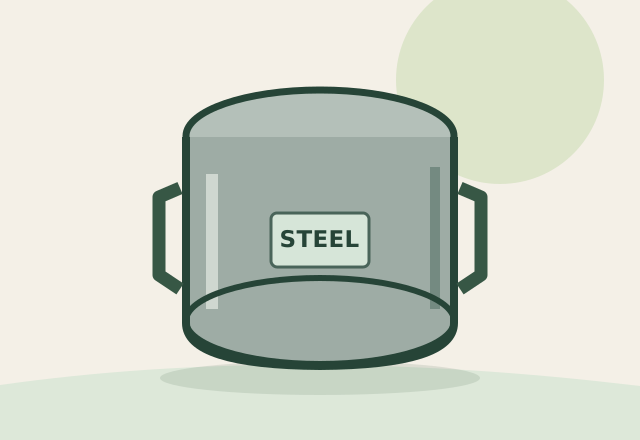
CVault stainless-steel container
2 oz model (manufacturer's nominal flower capacity)
A tough opaque canister with a dedicated humidity-pack holder.
- Material
- 304 stainless steel
- Closure
- Latch lid with silicone gasket
- Light
- Opaque body
- Handling
- Hardwearing; inspection requires opening
Trade-off: More expensive; cannot see inside

Best lightweight option
Grove Bags TerpLoc pouches
Choose pouch size and closure on the official site
A practical flexible alternative if handling multiple batches matters.
- Material
- Multilayer flexible film
- Closure
- Zipper; some styles are heat-sealable
- Light
- Opaque or windowed styles
- Handling
- Light to store; inspect zipper and wear
Trade-off: Follow maker's loading guidance; benefit claims untested by LAGC
Best dark glass
Herb Guard UV glass jar
1 L / manufacturer-marketed 2 oz model
A dark jar is convenient where a clear jar would need a cupboard.
- Material
- Dark glass
- Closure
- Screw-on lid with seal
- Light
- Tinted glass reduces light exposure
- Handling
- Easy to handle; glass can break
Trade-off: Premium price doesn't prove better preservation
Container illustrations show formats, not exact products. Seller links open the specified retailer; check model, size, price, delivery and local rules. Amazon links may earn a commission. Target, Grove Bags and Vivi links are currently non-affiliate.
Compare the trade-offs at a glance
| Container | Best fit | Material | Light | Main drawback |
|---|---|---|---|---|
| Ball wide-mouth Mason jars | Smaller home harvests and growers on a budget | Clear glass | Store in the dark | Breakable; clear glass needs dark storage |
| CVault stainless-steel container | Frequent handling, light protection and durable storage | 304 stainless steel | Opaque body | More expensive; cannot see inside |
| Grove Bags TerpLoc pouches | Several properly dried batches or space-saving storage | Multilayer flexible film | Opaque or windowed styles | Follow maker's loading guidance; benefit claims untested by LAGC |
| Herb Guard UV glass jar | Smaller quantities when you prefer a tinted jar | Dark glass | Tinted glass reduces light exposure | Premium price doesn't prove better preservation |
Our starting recommendation: Buy a few wide-mouth jars that fit your actual batch size. Upgrade when you can explain what the upgrade would improve for you. A bag that’s easier to manage or an opaque steel container may be worth the extra cost. Another “revolutionary” lid generally isn’t.
Get the flower right before choosing the container
Drying and curing get mixed together online, which is where a lot of dodgy product advice begins. Drying removes substantial moisture after harvest. Curing and storage deal with what happens to properly dried flower afterward. If you seal wet buds in any container, trapped moisture can create conditions that favor mold growth.
There’s a useful technical distinction here. Water activity measures how much water is available within the material for processes such as microbial growth. It isn’t the same thing as the humidity reading on the wall of your grow room. The ASTM D8197-22 public summary identifies a water-activity range of 0.55 to 0.65 for dry cannabis flower. A little jar hygrometer is useful for watching trends in the container, but it does not certify that a batch is safe or determine flower water activity as a lab would.
If the material smells musty, has visible mold or seems persistently wet, don’t try to “save” it by sealing it with a humidity pack. A storage container is for material in suitable condition.
1. Wide-mouth Mason jars: The best place to start
A plain glass jar is still hard to beat for small home harvests. You can see what’s happening inside, the wide mouth makes it easy to handle flower gently, and replacement jars and lids are easy to find.
Ball’s wide-mouth Mason jar range includes pint and quart glass jars with lids and bands. You don’t have to buy that particular brand. We’re using it here because the maker documents exactly what you’re getting.
Why we’d choose one: Glass has an independent reason to be in this conversation. A 2024 study of cannabis flower storage found that glass-bottle storage better retained the initial profile of volatile compounds than an open tray or a closed high-density polyethylene box under the conditions studied. It also observed chemical changes during storage. That’s useful research, although it doesn’t certify a specific Mason jar or prove that glass stops cannabinoid changes.
The tradeoff: Clear glass lets light in. Keep jars in a cupboard or another cool, dark location. Check the condition of the lid and its seal, and remember that the manufacturer’s statements about airtight *canning* seals describe a particular process. Don’t assume a worn everyday lid is airtight just because it fits.
A jar cure still needs attention. The University of Saskatchewan’s 2026 curing guide recommends checking flower soon after sealing because moisture can move from the middle of the buds toward the surface. During the early cure, check the jars regularly and open them as needed. If things smell off or the flower seems too damp, deal with that before leaving it sealed.
Good for: Small batches, people who want visual access, and growers who’d rather spend money on basics before specialty accessories.
Less useful when: You need something shatter-resistant, have limited dark storage space or regularly move large containers around.
2. CVault: A sturdy, opaque option
A CVault is a steel canister designed with a lid seal and room for a humidity pack. It’s a good candidate when you want to keep flower away from light or handle a container regularly without worrying about breaking glass.
The current CVault product description lists 304 stainless steel, a food-grade silicone gasket and, on most sizes, latches that press the lid against the seal. It also describes a holder under the lid for compatible humidity packs. The range includes small home sizes and much larger containers.
Why it makes the shortlist: The steel construction and gasket are practical features, and you don’t need an elaborate claim about curing chemistry to see their appeal. The container also protects its contents from ordinary light exposure without needing a dark cupboard.
The tradeoff: It’s opaque, so checking the contents means opening it. Large models take up more room, and a specialist canister is likely to cost more than an everyday jar. We haven’t verified current prices or compared gasket durability in actual use.
Good for: Someone who already knows they like curing or storing in canisters and wants a rugged, tidy solution.
Less useful when: You only have a small batch and want to keep costs down.
3. Grove Bags TerpLoc: A bag for the right situation
Grove Bags takes a different approach. The container is a flexible multilayer pouch, with sizes ranging from small personal quantities to bulk packaging. Some versions have window panels or different zipper styles.
The maker’s current product lineup includes standard and child-resistant closures, and its instructions recommend leaving about a quarter of the pouch empty. The company says properly dried flower can cure inside a sealed TerpLoc bag without routine “burping” or an extra humidity pack.
Those are attractive promises if you’ve been opening a pile of jars by hand. They’re still manufacturer claims. We haven’t independently tested how Grove Bags compare with glass jars in a home cure, and the company’s own FAQ says its bags are odor resistant rather than completely odor proof.
One 2024 study of cannabis storage compared nitrogen-filled containers with ordinary storage. It found no overall advantage for total cannabinoids or total volatile terpenes, though some individual compounds changed. The researchers didn’t test Grove Bags. We can’t use that study to rank these pouches, and broad “preserves everything” claims deserve skepticism.
Good for: Growers processing several properly dried batches who want a lightweight format and are willing to follow the specific bag instructions.
Less useful when: You want to inspect flower frequently or you aren’t confident the batch was dry enough before sealing. The bag isn’t a shortcut around the drying stage.
4. Herb Guard dark glass: Worth it for the form factor?
Herb Guard offers tinted glass jars in a range of smaller capacities, including models marketed around 500 ml and 1 liter. The manufacturer’s current catalog describes them as light-shielding storage containers.
There’s nothing wrong with wanting a nicer stash jar. Dark glass can be convenient when you don’t want to keep a clear jar out of the light, and choosing a smaller jar for small quantities can make handling easier.
Just keep the claims in proportion. A dark jar isn’t proven to make old buds fresh again or to lock in potency indefinitely. We found no independent head-to-head evidence that gives Herb Guard a measurable preservation advantage over a clean, well-sealed ordinary jar kept in the dark.
Good for: Smaller quantities, frequent access and people who specifically want a dark glass container.
Less useful when: You’re choosing on value alone. A clear Mason jar in a cupboard may satisfy the same basic need.
What about humidity packs?
Humidity packs are accessories to an appropriate container. Boveda now sells its cannabis-focused humidity packs under the Vivi Fresh brand. Vivi’s current product information lists 58% RH for packs sized for smaller quantities (up to half an ounce or one ounce) and 62% RH for the one-pound and five-pound sizes. These are maker-set humidity targets, not a home test of your flower’s water activity. Leave each packet intact, place it in a closed suitable container and replace it according to its instructions. The maker recommends a replacement about every three months.
A pack can be helpful for managing humidity in a container that already seals properly. It cannot remove all the moisture from a wet harvest, kill mold or tell you whether cannabis is safe.
We’d also skip buying extra packs for a Grove Bag solely because another article says every curing container needs one. Grove specifically recommends against adding a pack when the flower is appropriately dried for its system. Follow the exact product instructions and don’t treat a pack as an automatic upgrade.
How to choose without overthinking it
Start with the batch you’re storing. A couple of small containers are often easier to keep an eye on than one big vessel packed full. Think about how frequently you’ll open them, where they’ll live, and whether you need a clear view of what’s inside.
Then check the basics:
- Look at the closure. Lids, gaskets and zippers should be clean, undamaged and appropriate for the container. A clever label cannot make up for a poor seal.
- Leave some room. Avoid crushing flower into the container. Grove specifies roughly 25% empty space for its bags; follow that instruction for its system rather than assuming the same number is required by every product.
- Store away from heat and direct light. Dark storage is especially important for clear jars.
- Monitor conditions, especially early on. A small hygrometer can help you notice unusual humidity readings, but it is not a laboratory microbial-safety test.
- Don’t ignore warning signs. Persistently damp flower or visible mold calls for attention to the material itself, not another lid or pack.
What we would skip
Automatic pumps, elaborate burping lids and jars marketed as “potency boosting” are the first extras we’d question. They may be convenient for some routines, but convenience needs to be demonstrated. We found no convincing independent evidence that a particular lid automatically cures better or prevents microbial contamination. If a seller claims a gadget makes wet flower safe, leave it on the shelf.
Common questions
Can I use a regular Mason jar to cure cannabis?
Yes, a clean Mason jar with a properly fitting closure is a reasonable container for properly dried flower. Use an appropriately sized jar, keep it out of direct light and check for excess moisture or seal problems. Don’t use the jar as a substitute for drying.
Are Grove Bags better than jars?
They may be more convenient for your routine, especially with bigger batches. We haven’t found independent comparative testing that justifies a universal claim about better curing performance. Grove’s instructions also assume appropriately dried material, so start there.
Is 62% humidity always the right number?
No. Vivi Fresh currently uses a 58% RH target on smaller packs and 62% on larger packs. Different products may use other targets. These numbers describe the product’s intended container humidity. Flower water activity is a separate quality-control measurement, and a consumer hygrometer reading cannot prove a batch is safe.
Is dark glass necessary?
No. Dark glass blocks more light by design, which is useful if your jar stays somewhere bright. Clear glass stored in a dark cupboard is a perfectly workable alternative. The evidence does not justify paying extra solely for a promise of “special UV preservation.”
Do I need a humidity pack and a curing bag?
Not necessarily. Grove Bags says its properly loaded TerpLoc bags don’t need a humidity pack. For jars or steel containers, a compatible pack can help manage the enclosed humidity. It won’t fix improperly dried material.
How we selected these options
We compared published material specs, closure designs, capacities, transparency, the need for extra accessories and suitability for different batch sizes. We also checked research on storage and water activity. LAGC has not hands-on tested these containers, and we have not given them lab-style performance scores.
The products above are recommendations by use case. A manufacturer saying something is “odor proof,” “microclimate controlled” or “terpene preserving” isn’t enough for us to repeat it as a demonstrated outcome. A good buyer’s guide should make it easier to spot those differences.
Sources: University of Saskatchewan curing guide, ASTM D8197-22 public summary, 2024 glass and storage study, 2024 modified-atmosphere storage study, Ball jar specifications, CVault product specifications, Grove Bags FAQ, Herb Guard catalog, Vivi Fresh instructions.